Making AI practical: how we’re turning ideas into real use cases at Gateley
How we’re combining technology, innovation and expertise to turn the possibilities of AI into practical ways of working across Gateley.

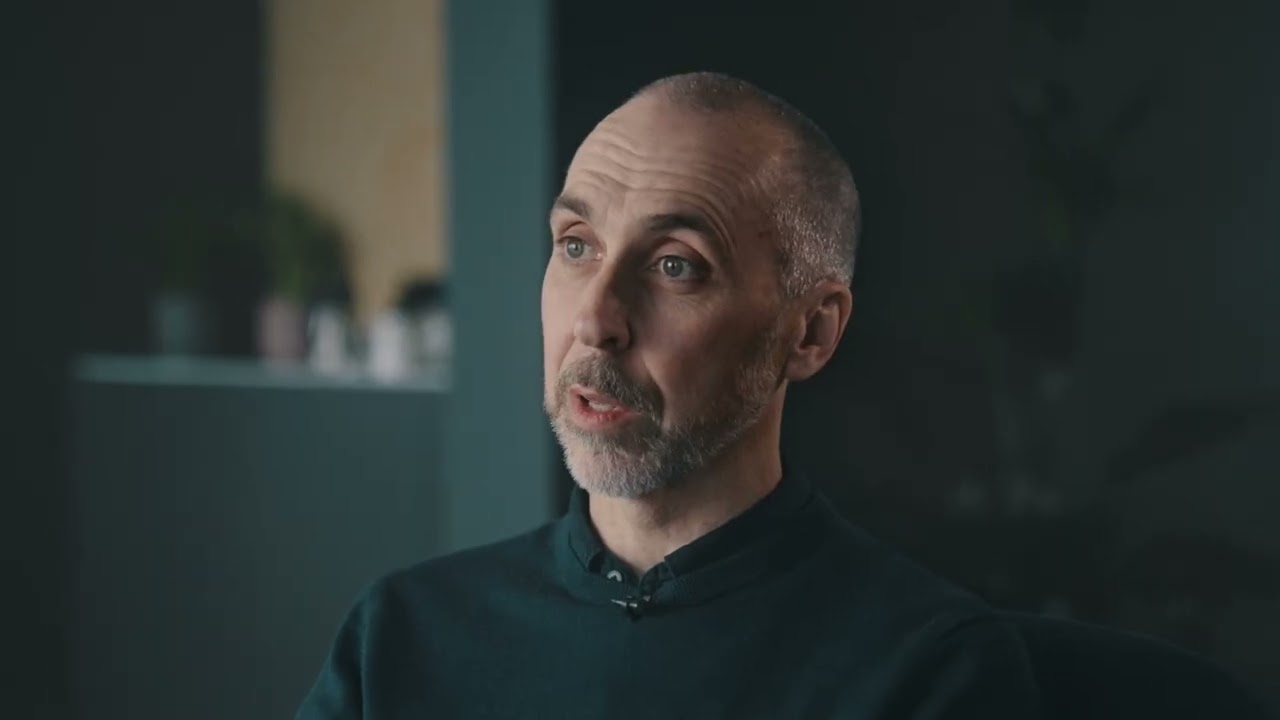
“At Gateley, we’re focused on using AI to solve genuine business problems rather than pursuing technology for technology’s sake. Choosing Jylo wasn’t about going with the biggest name. It was about finding the right fit and the right partner to help us turn good ideas into practical solutions that create real value.”
Starting with the problem, not the technology
At Gateley, our approach to innovation is pretty straightforward: start with the problem you’re trying to solve, not the technology you want to use.
We’re a legal and professional services group, so that applies much more broadly than legal work alone. We’re exploring how AI can support our people across Gateley, improve the way work is delivered and ultimately create greater value for our clients.
There’s clearly enormous potential in generative AI, but simply giving people access to new technology doesn’t create meaningful change. You need to understand where it can genuinely help, give people the confidence and skills to use it, and have the right governance and support around it.
For us, the interesting part is turning that potential into something practical.
Finding the right fit
We took a deliberately considered approach when deciding which generative AI technology we wanted to work with.
The size or profile of a provider wasn’t the deciding factor. We wanted technology that fitted the problems our people were trying to solve, allowed us to move from ideas to practical use cases and came with a partner we could work closely with as both the technology and our own thinking evolved.
We didn’t rush that decision. We spent around six months road-testing Jylo before deciding to adopt the platform, giving us time to understand not just what the technology could do, but how well it fitted the problems our people were trying to solve.
Since then, we’ve started turning repeatable processes into more efficient and scalable workflows. Just as importantly, we’ve built a close relationship with the Jylo team, giving us the opportunity to share feedback, influence the roadmap and move quickly from ideas to real use cases.
Moving beyond experimentation
Like many organisations, our initial experience with generative AI involved a lot of experimentation. That was valuable because it helped people understand what the technology could do and, equally importantly, where it wasn’t necessarily the answer.
Our focus now is increasingly on repeatable processes and use cases.
Rather than thinking only about whether AI can make an individual task faster, we can look at the process around that task. Where are the pain points? What does someone actually need to achieve? Which parts require their expertise and judgement? Where could technology make the overall process more efficient, consistent or scalable?
And AI isn’t automatically the answer. Sometimes improving a process, making better use of the technology we already have or changing the way people work will achieve more.
That mindset is important to us. Jylo gives us another capability within that wider toolkit and allows us to take promising opportunities and explore how they might work in practice.
Bringing legal expertise closer to innovation
Technology is only one side of this. We’re also investing in the people and skills needed to translate between what the technology can do and the work our people actually do.
One example is the introduction of Innovation Lawyers within our Technology Innovation team.
The idea is to bring people with first-hand experience of legal practice closer to our technology and innovation capability. They can work alongside our legal teams to understand how work is currently delivered, identify opportunities to improve it and help translate those opportunities into practical solutions.
That becomes particularly valuable with generative AI, where understanding the context of the work can be just as important as understanding the technology.
“Having worked in legal practice, I understand that the starting point can’t just be what the technology is capable of. It has to be understanding the work, where the real challenges are and what would genuinely make a difference. My role as an Innovation Lawyer is about bringing those perspectives together, working with our teams to turn good ideas into practical solutions that can improve how we deliver legal services for our clients.”
Innovation with our people, not to them
More broadly, we want innovation to be something that happens with our people rather than to them.
Our people understand their work, their clients and the friction in existing processes better than anyone. A big part of our job in Technology Innovation is creating the environment where those ideas can surface and then providing the right expertise, technology and support to turn the strongest ones into something tangible.
That requires more than technology. It means thinking about process, adoption, skills, governance and how a solution will be supported once the initial idea becomes part of everyday working.
That’s also why the move from experimentation to repeatable use cases matters. A good proof of concept is interesting. Something that people genuinely use and that improves the way work is delivered is much more valuable.
Scaling what works
The next stage for us is about building on that foundation.
We’ll continue looking across Gateley for areas where AI can make a meaningful difference, working with our people to develop the strongest opportunities and considering where successful approaches can be reused or scaled.
We’re not trying to apply AI to everything, and I don’t think that should be the goal.
Success is finding the places where it genuinely makes sense: solving a real problem, supporting our people and improving the service and value we provide to our clients.
For us, that’s what making AI practical is really about.